
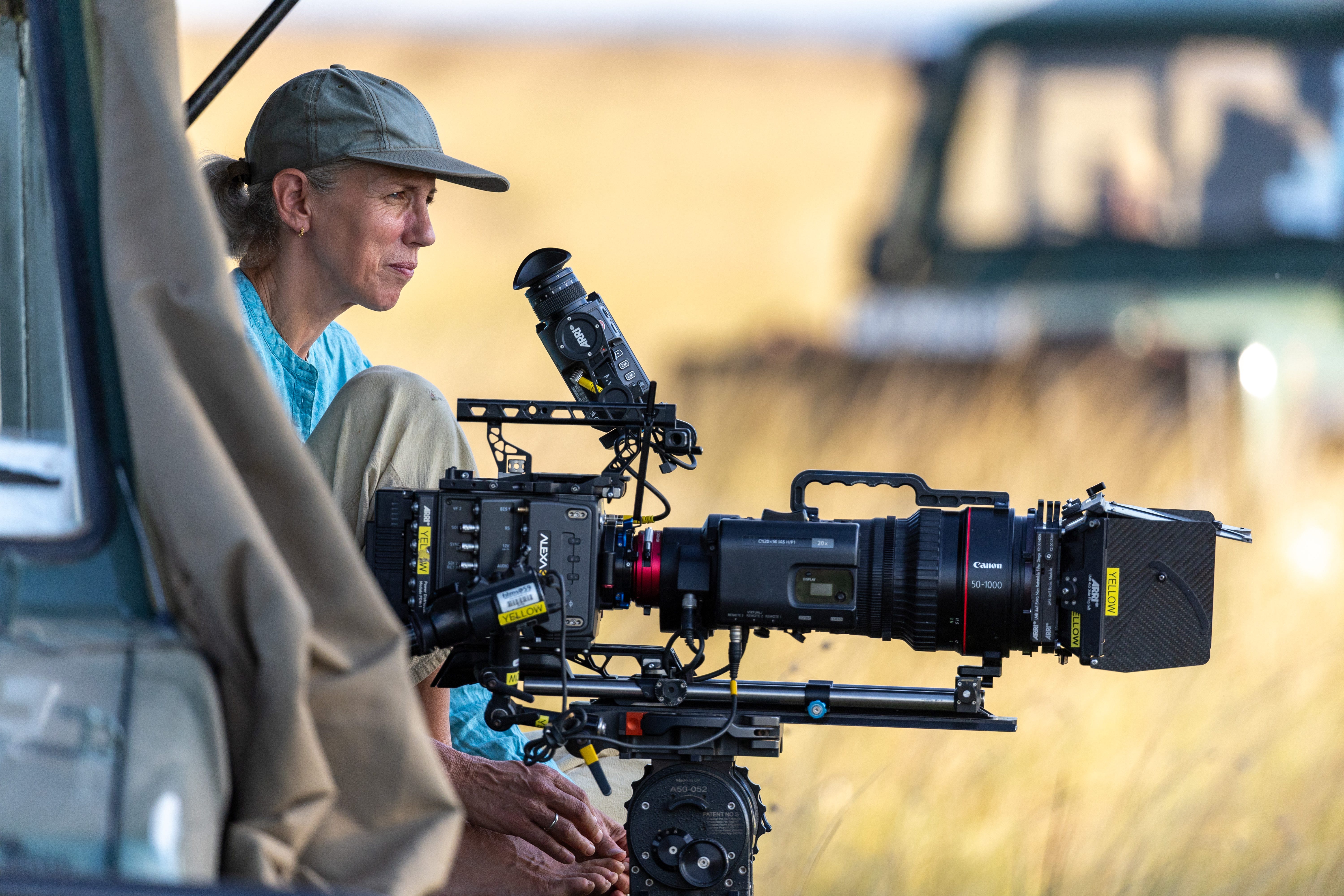
There are plenty of reasons not to spend four years filming lions in Kenya. The hours are brutal. The animals are unpredictable. You have to work from a car. And if you’re lucky, you might get to spend the day just watching “bellies just gently rising and falling,” as cinematographer Sophie Darlington puts it.
Darlington, however, isn’t complaining. She has been obsessed with lions since she saw Born Free as a child and fell in love with the idea of a lioness lying on her camp bed. At 23, she began managing a camp for legendary National Geographic cinematographer Hugo van Lawick, who had won eight Emmys and eventually mentored her for seven years.
“And one of the first things I worked on was lions,” Darlington says. “And that’s it. I promise you, you’re hooked. Can’t get enough.”
For National Geographic’s four-episode, four-years-in-the-making Lion, that lifelong obsession became all-consuming as the production followed a pride through the Masai Mara. And while wildlife filmmaking has changed dramatically since Darlington started—particularly with the arrival of drones—she was determined not to let the technology become the story.
“The tech was there to tell the story, not to be about the tech,” she says. “It was about having the best, absolute best image to work with.”
That meant maintaining a consistent camera package over four years. The crew worked primarily from vehicles fitted with specialized low-mount filming rigs, putting the cameras down at the lions’ eye level. They used Arri Alexas 35s and RED V-Raptors, with the latter mounted on gimbals, while long lenses provided the intimacy necessary to follow the pride without intruding on it.
“We didn’t want that to change,” Darlington says of the camera setup. “Both are absolutely brilliant for what we want.”
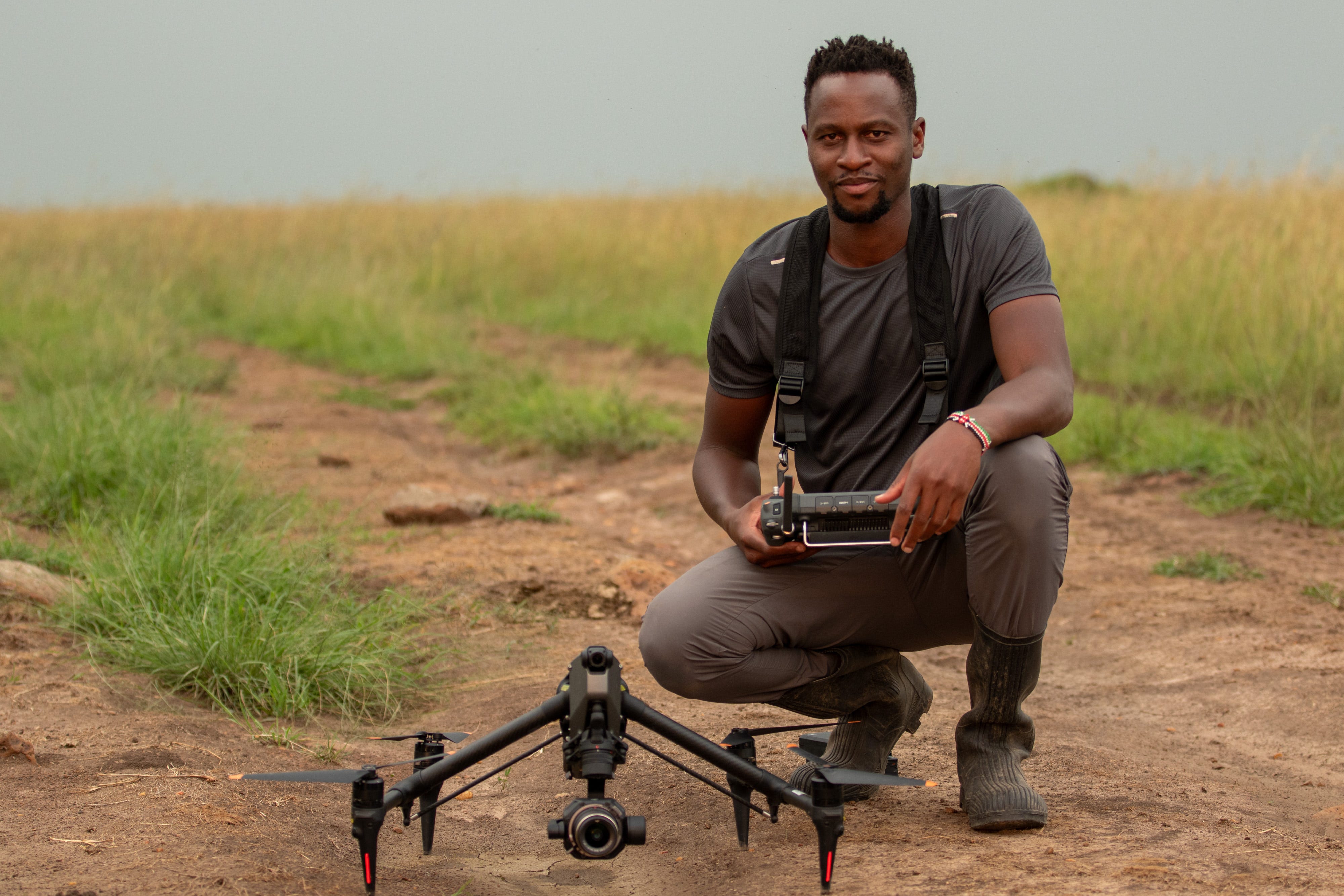
The biggest technological evolution happened in the air. Drone operator Anthony Njuguna started the production with smaller drones and eventually moved to larger Inspire models capable of carrying long lenses. But before those drones could become part of the visual language of Lion, the lions themselves had to be introduced to them.
“He spent the most amazing amount of time with the lions,” Darlington says. “Acclimatizing them to drones, getting them used to it.”
That includes giving the animals time to become bored with the equipment. The crew had to introduce the technology slowly and allow the pride to decide that the strange flying object was simply another uninteresting part of the landscape.
The same philosophy applied to the gigantic Cineflex and GSS systems mounted on trucks. The lions had never encountered those, either. Rather than forcing the animals to behave around the cameras, Darlington’s team waited until the technology disappeared into their environment.
“You’re in their world,” she says. “We were trying to let everything be organic, the grade organic. Nothing pushed, nothing forced, just like you were in the Masai Mara.”
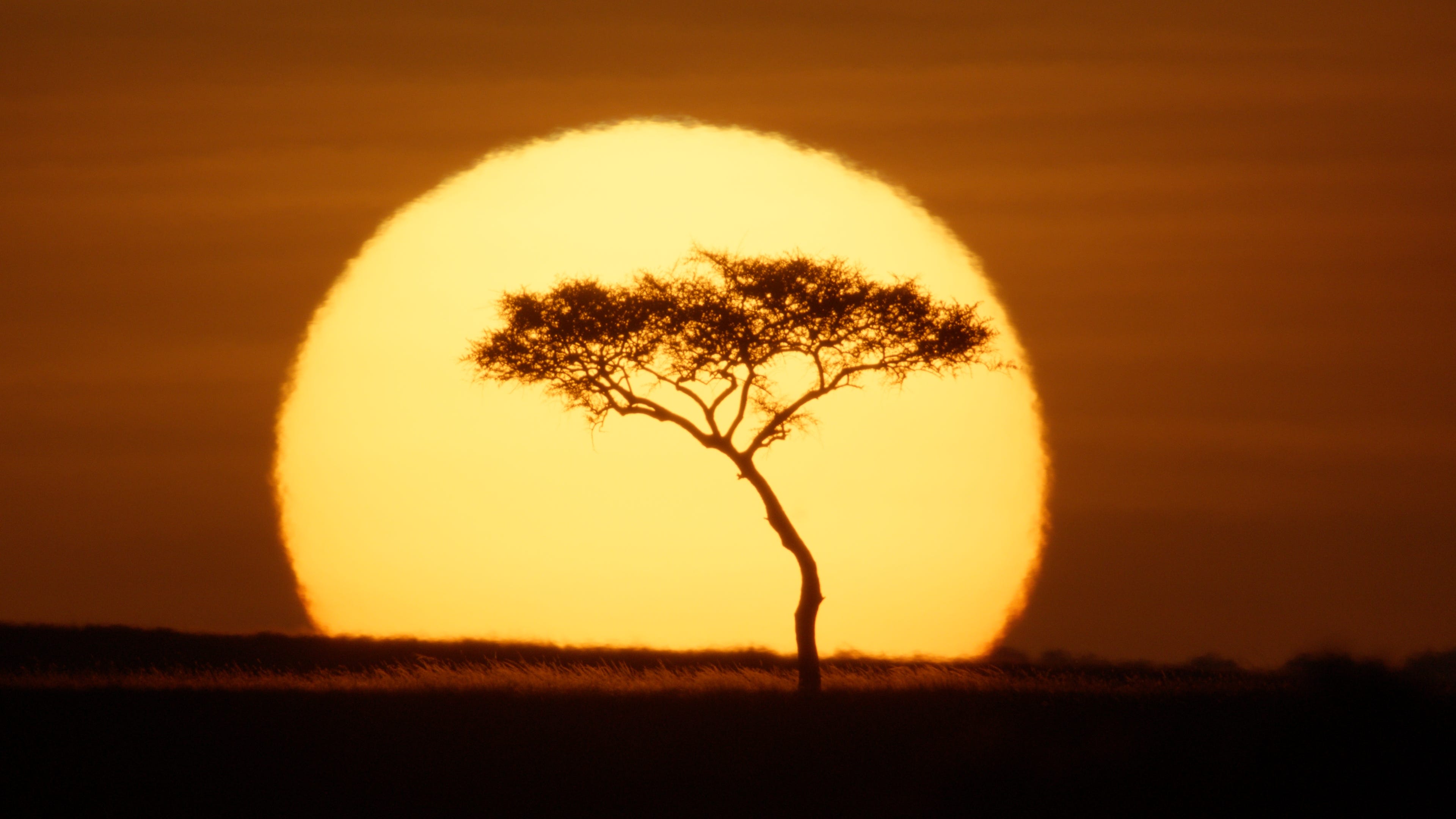
The Masai Mara’s beauty remained, but it wasn’t scrubbed of its reality. Darlington points to footage of high cirrus clouds rendered in rainbow colors by the Alexa and the way the RED V-Raptor captured sunlight passing through the grasses as examples of the natural spectacle the cameras could find without embellishment.
“It’s a dream,” she says. “It’s an absolute dream.”
But capturing that dream requires a remarkable amount of calculation. Darlington worked with specialist film driver Sammy Munene, who has more than 40 years of experience. In the field, the two operate almost as a single unit, with Darlington watching through the lens while Munene handles the vehicle.
The production ultimately consisted of 52 shoots, ranging from drone and Cineflex work to night time-lapse photography and, most importantly, long-lens shoots. Darlington personally handled around 18 or 19 of them. The long-lens work was where the intimate storytelling happened: subtle shifts of focus between animals, allowing the viewer to understand relationships without anyone having to explain them.
The shoots could last anywhere from 10 days to a month and a half, with many running about a month. Darlington would often wake at 4:30 in the morning and return around 7:30 or 8 at night. But even after 35 years of filming wildlife, she doesn’t seem remotely tired of it.
And perhaps the greatest compliment the lions could give her was that, eventually, they stopped caring that she was there.
Darlington recalls filming one lion from a distance when she felt a nudge. She was so focused that she hadn’t noticed one of the animals behind her.
“It just nudged me on the bum,” she says. “Just gave me a little like, ‘Hiya.’ The biggest compliment you can get from a lion,” Darlington says, “is to not bother them.”
All four episodes of Lion are now streaming on Hulu/Disney+/however you subscribe to that whole thing.