
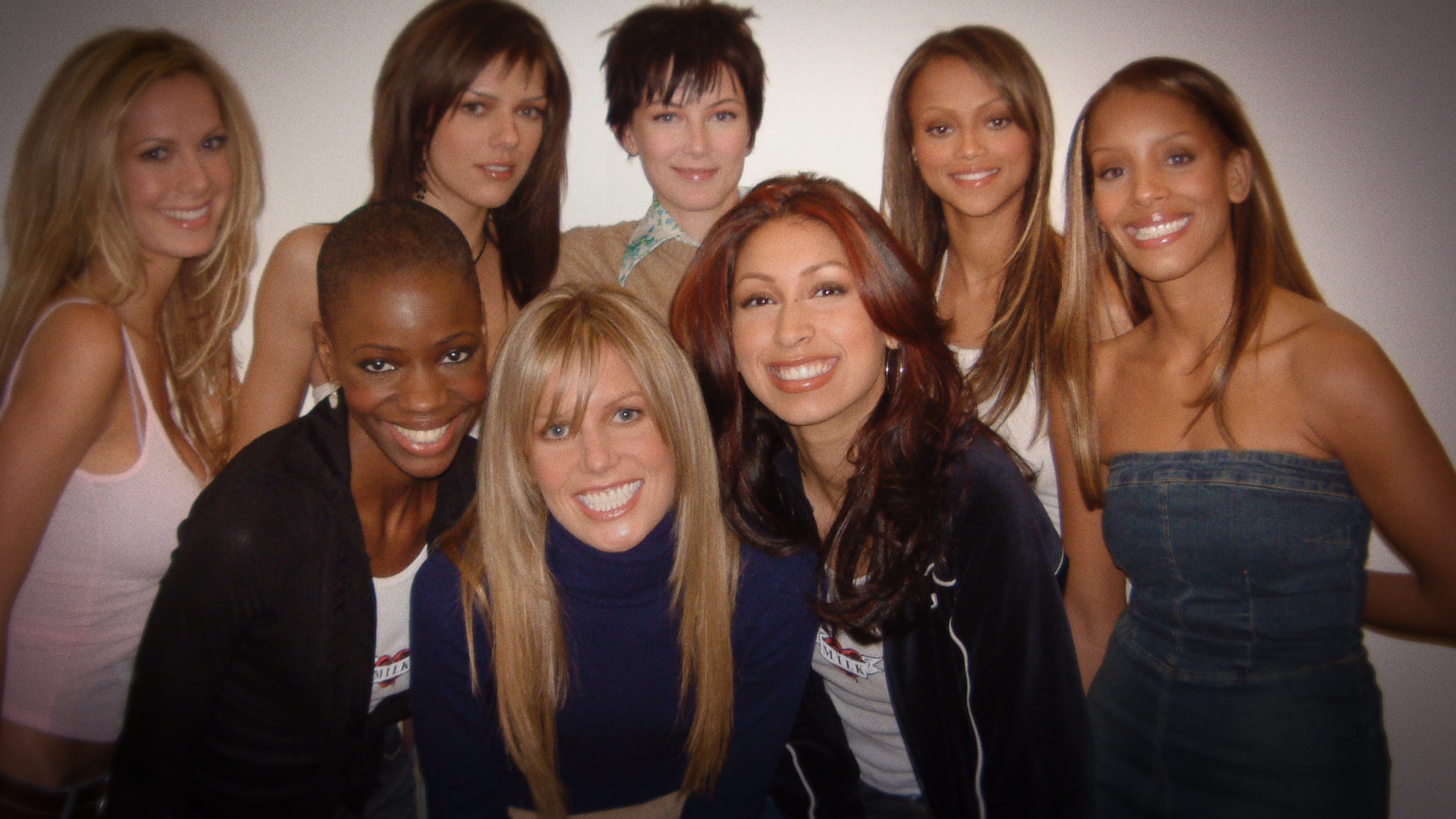
I hope your mouth isn’t full when you watch Reality Check: Inside America’s Next Top Model, because your jaw is gonna drop.
That’s wild, considering Top Model has stayed part of the pop culture zeitgeist for decades thanks to its jaw-dropping moments. But the three-part Netflix docuseries, directed by Mor Loushy and Daniel Sivan, goes deeper than the Reddit threads or viral reels from former models, providing shocking backstory and behind-the-scenes facts. For instance: The iconic “We were all rooting for you!” scene included so much additional intense yelling from host Tyra Banks that HR came to set the next day.
The docuseries includes all the major players, from Tyra Banks and producer Ken Mok to Miss J and Nigel Barker (Janice Dickinson is not included here, though there is plenty of footage of her singular judging style), as well as some of the models most affected by their time on the show. And shepherding all of that footage were editors Austin Flack, Stefanie Maridueña, and Mimi Wilcox.
They spoke to Crafty about revisiting the series decades later, working hard to ensure the models did not feel let down by a production team a second time, and making sure Miss J remained a badass.
I binged all three episodes in a delirious fever dream, screaming at my TV. Were you all familiar with Top Model before signing on for Reality Check?
Stefanie Maridueña: Yes, absolutely. I grew up on the show. Even just starting on [Reality Check], we were like, “Wow, this is crazy to revisit this.”
Mimi Wilcox: I loved it so much. I had friends who would watch it with me. Working on this show and revisiting it made me realize just how much it shaped me and affected me. So having the opportunity to revisit it in this way was actually incredibly rewarding, because it was a huge part of growing up for me.
Austin Flack: I had not watched the show, but what was interesting is there was so much of it that I was familiar with just from culture. And I do think that’s an entry point for people. I was familiar with a lot of things that I didn’t even know were from Top Model.
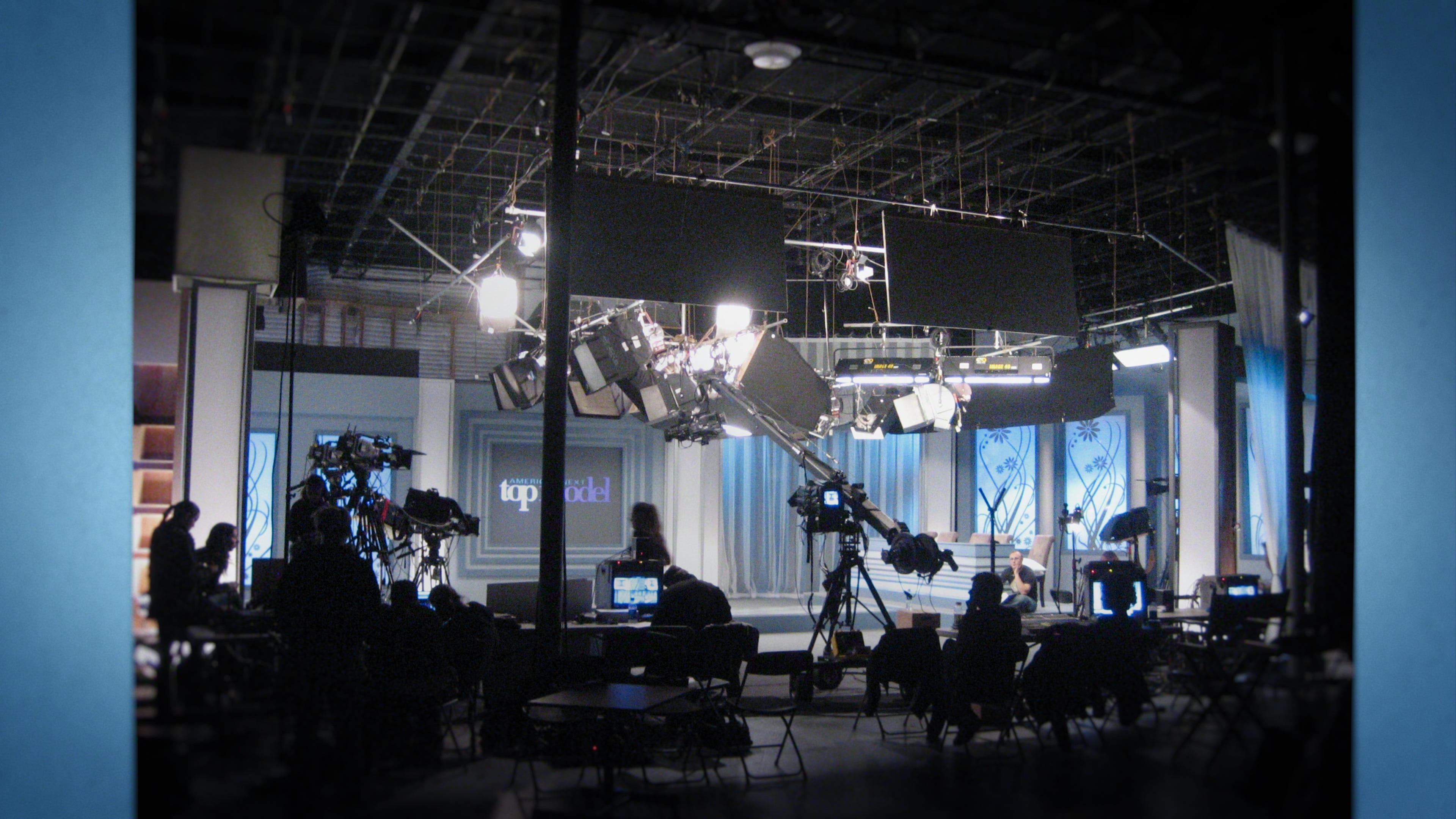
What were the conversations like around storylines? Was that set before you joined, or was that something you found in the edit?
Mimi Wilcox: I think it really had to be something that we found in the edit. We had so many incredible models who were part of the show, and they all had really nuanced, complicated stories. Something that I think was really important was to really represent all those experiences authentically. With a show like this, and a topic like this that people are so passionate about—myself included—it sparks a lot of strong feelings. There can be a desire to totally indict or totally celebrate what this was. And I think the messy reality is that for all the models interviewed, they had really mixed, complicated, nuanced experiences.
Stefanie Maridueña: We also found a lot of that nuance even with Tyra. We start the show talking about how she was the underdog trying to pitch the show, and the modeling industry and what she had to go through.
It definitely was interesting to see where she was coming from. It doesn’t in any way get her off the hook for the way that she traumatized a lot of these women. But at the same time, it helps you understand the culture and what we were living in as a society during that time. Watching that all these years later, when we are living in a totally different moment, you also remember seeing it coming from other places besides people like Tyra.
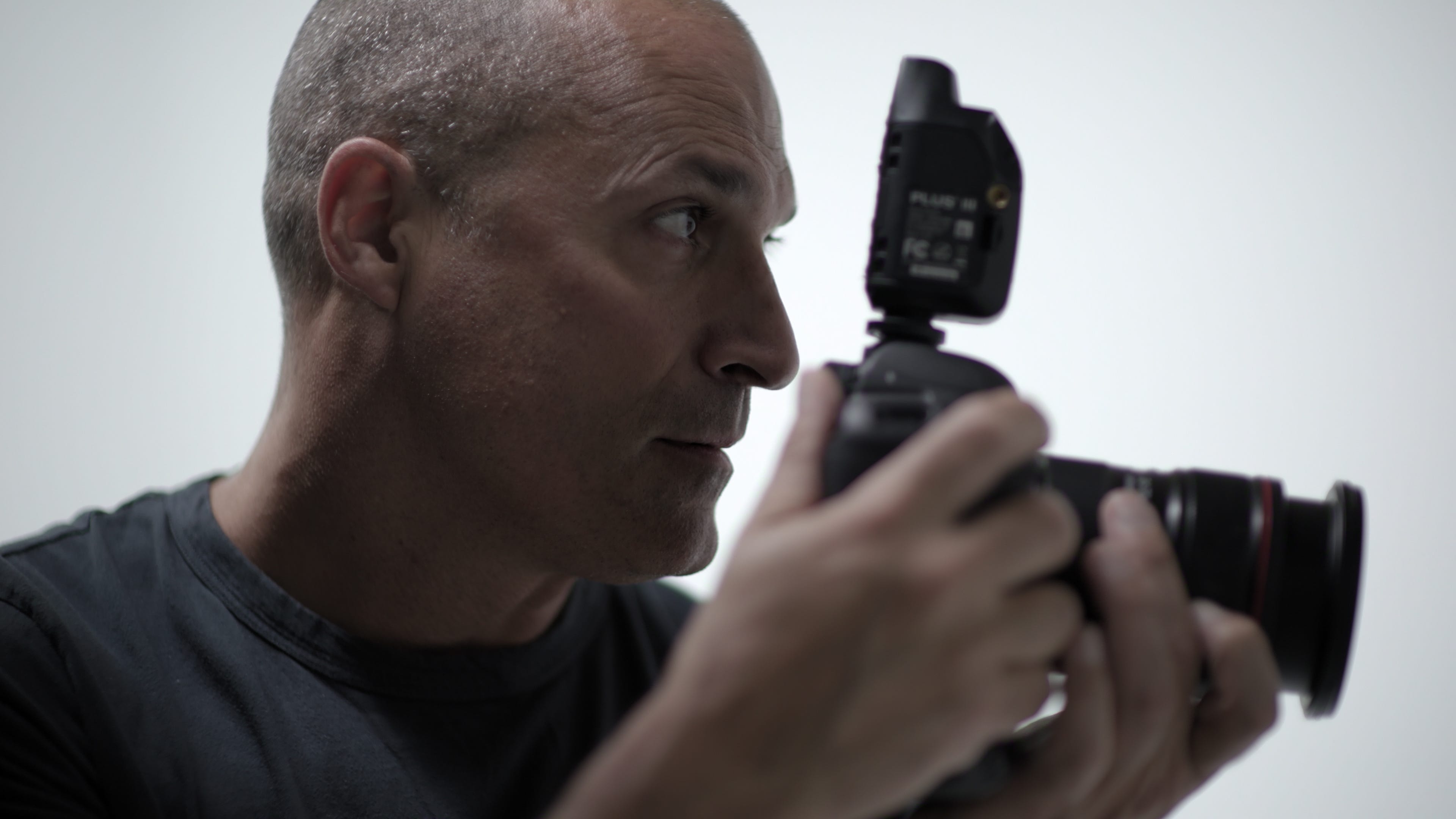
One of the things the docuseries does so beautifully is that it doesn’t let her off the hook. It celebrates what she was able to do and the opportunities she was able to provide, while also underscoring how badly production handled those opportunities.
Stefanie Maridueña: I was just gonna say, I think one thing that was really fun as well was having that kind of access—getting Tyra to tell her own story along with the Jays and Nigel. And on top of that, we were able to get our hands on a bunch of archival from them and from participants. That really helped you understand how this was built and get that behind-the-scenes look at how the show came together and the dynamics behind the scenes.
As a fan of the show, you just knew what was happening when you watched the show. But then getting to see behind the scenes, how Jay Manuel was so close to Tyra, and all these other things about how they came up with the sets, that was really fun.
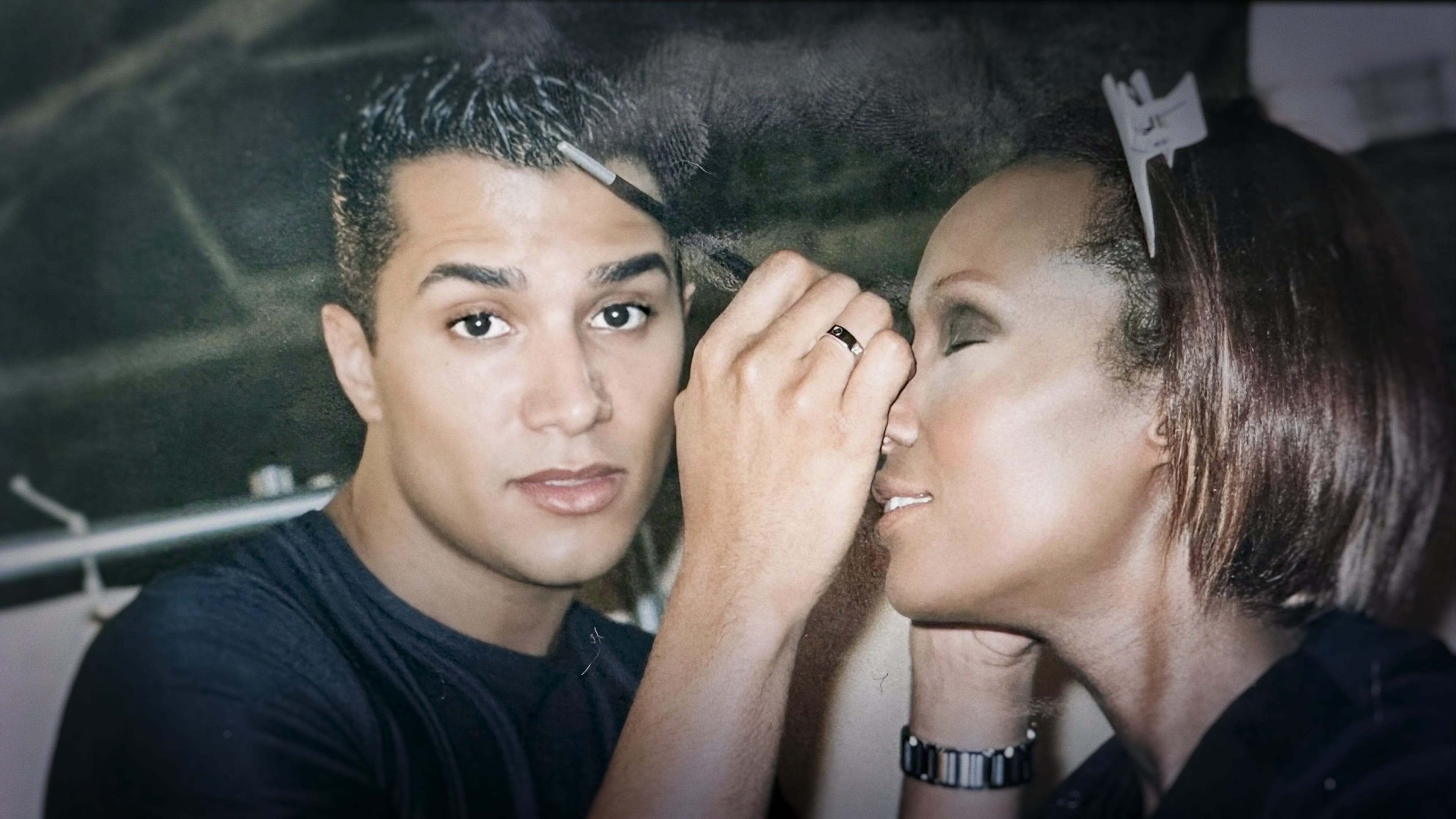
How did the work break down for all of you? Were you all on different episodes?
Mimi Wilcox: On shows like this, it always winds up getting a little bit mixed up. I think each of us owned an episode to some degree, but we each had storylines we particularly felt invested in and spent a lot of time cutting.
Austin Flack: As I recall, I was all over the Keenyah arc, which is fascinating. Something I found really interesting was when the series maybe started to derail from the pressure of the reality television world and Fear Factor–style escalation. Not exculpatory, but plausible. The demands of keeping up with the Joneses of reality TV, where everything is getting crazier and crazier. I spent a lot of time with the montage of all these awful and crazy and insane tasks and challenges.
Stefanie Maridueña: I think I touched mostly Episode 2. The one that really stuck with me was the Shandi storyline. I really wanted to be very careful navigating her story and ensuring she was trusting us to tell her story, and making sure we didn’t re-traumatize her. I felt like I wanted to advocate for her as well in the edit, because when this airs, she’s going to get all this exposure from it, and we wanted to be fair to her.
Mimi Wilcox: Two storylines I spent a lot of time on were very different. One element was Cycle 1. We spent a lot of time deciding whether our first episode was going to be about Cycle 1 specifically or more of a bigger picture introduction.
And then I spent a lot of time on Episode 3 as well, working on the story of the judges’ exit from the show. The complexity of the relationships that the judges had with Tyra was really striking.
I have to thank you for my favorite moment when, in Episode 3, Tyra says she hopes that when we are the ones called on our shit, we handle it as well as she does and continue to evolve, “because that’s what we’re all here for.” And then you cut to color bars and a former contestant saying, “Girl, that is absolutely ridiculous.”
Mimi Wilcox: That was Stef. I have to shout out Stef.
Stefanie Maridueña: It was literally how I was feeling. There was no other way to portray it. I love that you brought that up, because it’s one of the favorite things that I put together. You get Tyra’s perspective and then the model’s reaction, after everything we’ve seen.
What’s so striking about the entire docuseries is that all of this was out there. We watched it all happen. There wasn’t lost, behind-the-scenes footage. This all aired. We watched fashion shoots where young women posed as the unhoused with actual unhoused people in the background.
Mimi Wilcox: There were moments for me watching, as this was coming together, and thinking, “God, was that really in the episode? Did that really air?” And just thinking how differently I perceived it as a teenager, and now it feels really different. And it was often surprising to realize, indeed, that was in that episode.
Austin Flack: Whitney’s story, as the plus-size winner, is fascinating. It’s true that Tyra was trying to push the industry forward. And it’s also true there was a lot of gross stuff involved. Whitney’s experience was largely positive, but some of it is hard to watch. And the running body shaming of Keenyah across episodes was shocking. It wasn’t a one-off mistake. It became a storyline. It is stunning in retrospect to be like, “Let’s do three episodes about how this girl’s getting ‘pudgy.’” That was a really tough thing to watch.
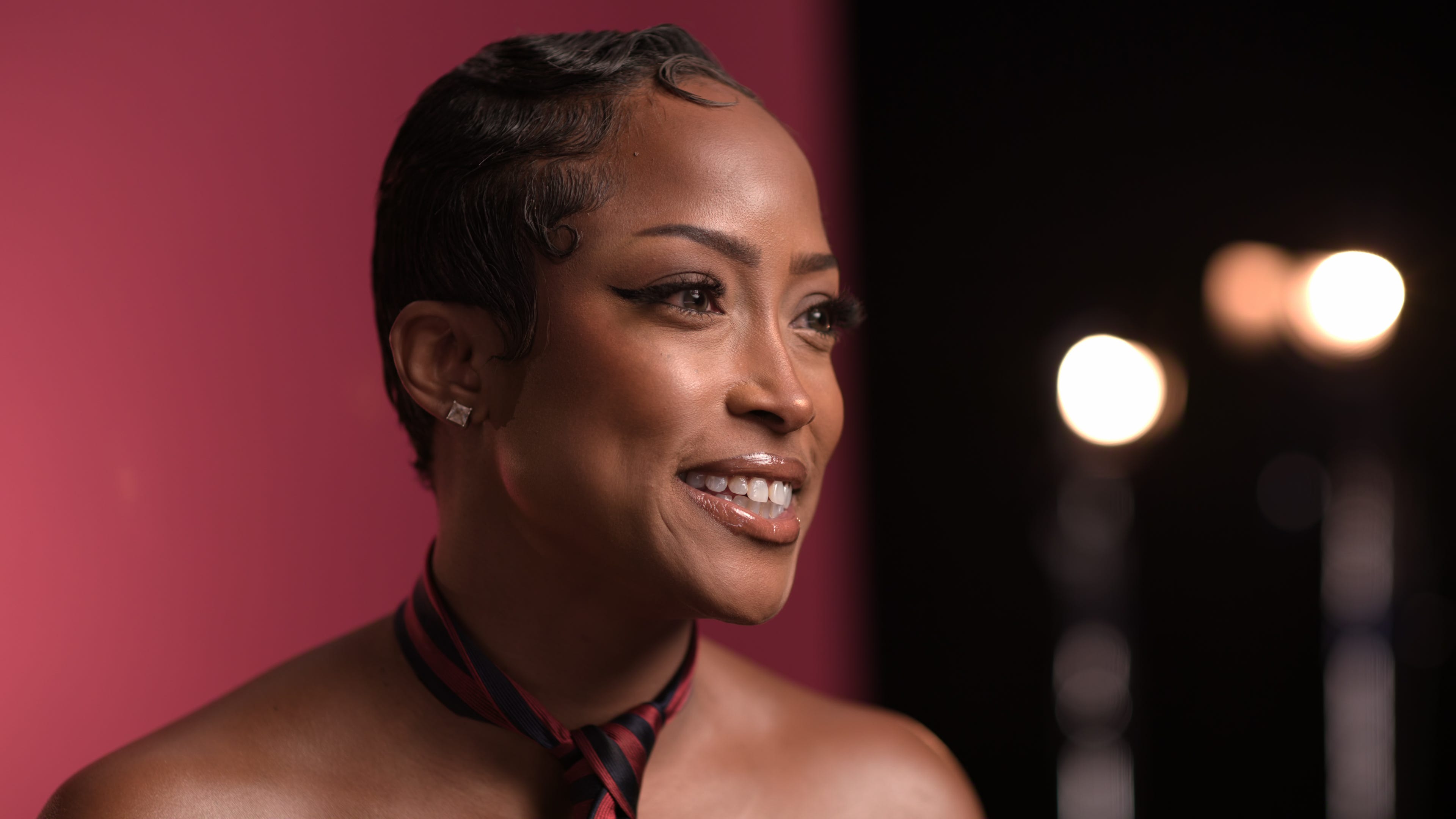
I mean, we watched Keenyah stop a shoot because one of the male models was being handsy and making her uncomfortable, and then we watched her get chastised in front of the panel for being unprofessional.
Stefanie Maridueña: It’s an experience that a lot of women go through, and I remember the first time that I watched and not understanding why she is upset. And then once we went into the edit, thinking how was I so blind to that? And absorbing that at a very young age, and how did that impact me down the line? I don’t have that toxic mindset anymore, but you can see how that was just like a part of the culture and how it could have spread. How do you know the repercussions of sending that kind of message to young women?
Looking at a show like this, it’s almost a time capsule. You’re really being transported back to that time period and really getting to reexamine society and culture and question even yourself. That was really exciting as well, to go through that journey.
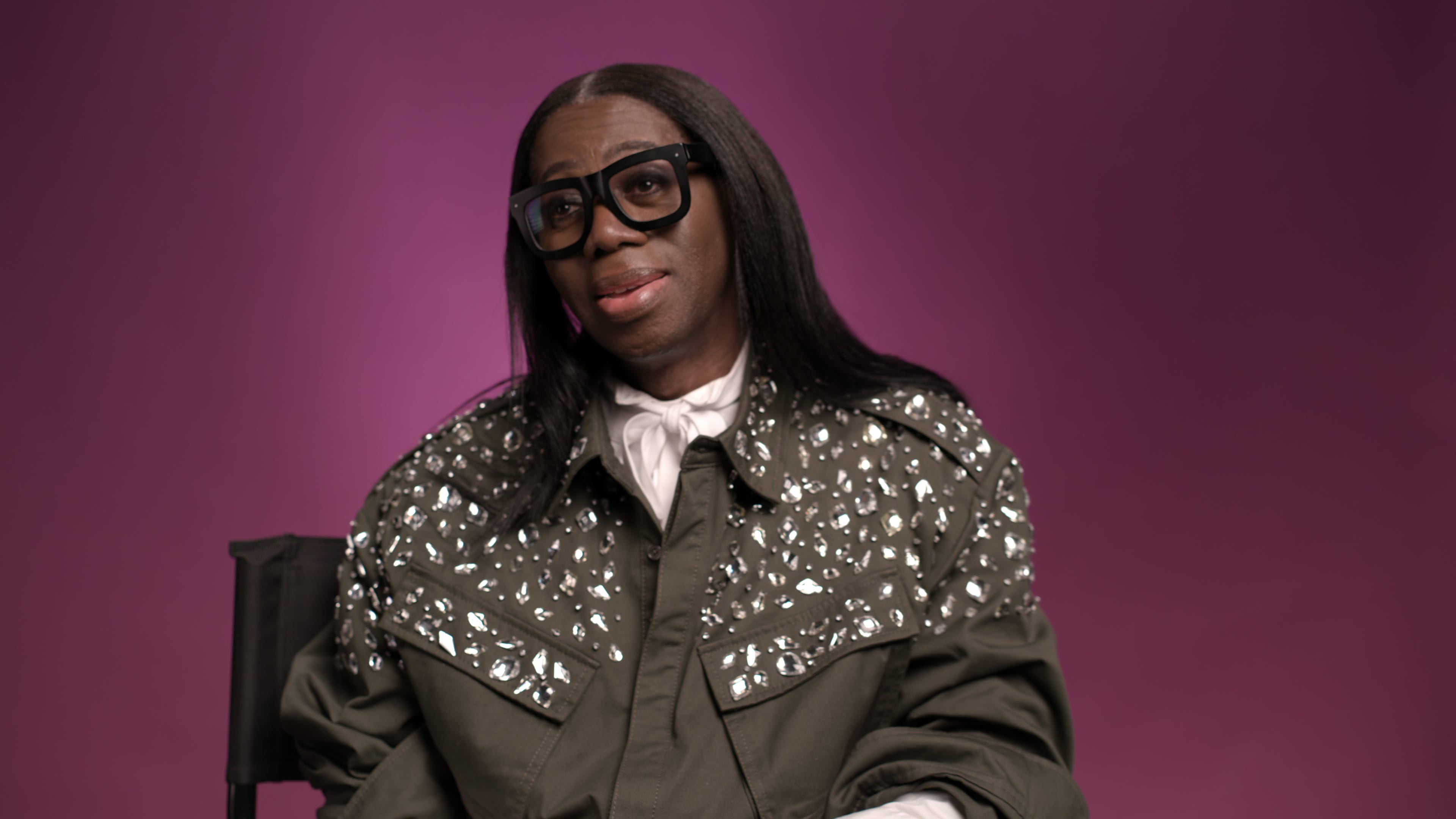
In addition to what was happening on the series, the third episode reveals that Miss J recently suffered a stroke and is still recovering. What was it like working that footage into an already emotional story?
Stefanie Maridueña: We had to be mindful because his speech was affected by what he went through. At some point, we were thinking, how do we explain this without giving away what happened? But I’m so happy we waited until the end. It was emotional, but at the same time, he was always so badass and powerful. I didn’t want it to feel like “poor Miss J.” I wanted it to be true to who he is: a fighter, still cracking jokes and being sassy. It was important people knew that he’s not a victim of this circumstance.
Mimi Wilcox: Miss J is still Miss J, no matter what clips we use.
Speaking of, how were you deciding how much archival to include?
Mimi Wilcox: We tried to lean into material from the show as much as we could because you want to feel transported back into that. But we also had to bring context.
Austin Flack: You can only ride the original footage so long before you ask, “Where’s our show?” You have to integrate perspective and emotion so it’s not just replaying the original show.
Stefanie Maridueña: As editors, you become the audience. You rely on intuition, when something goes too long, when you still have questions. And our directors were very collaborative in shaping that.
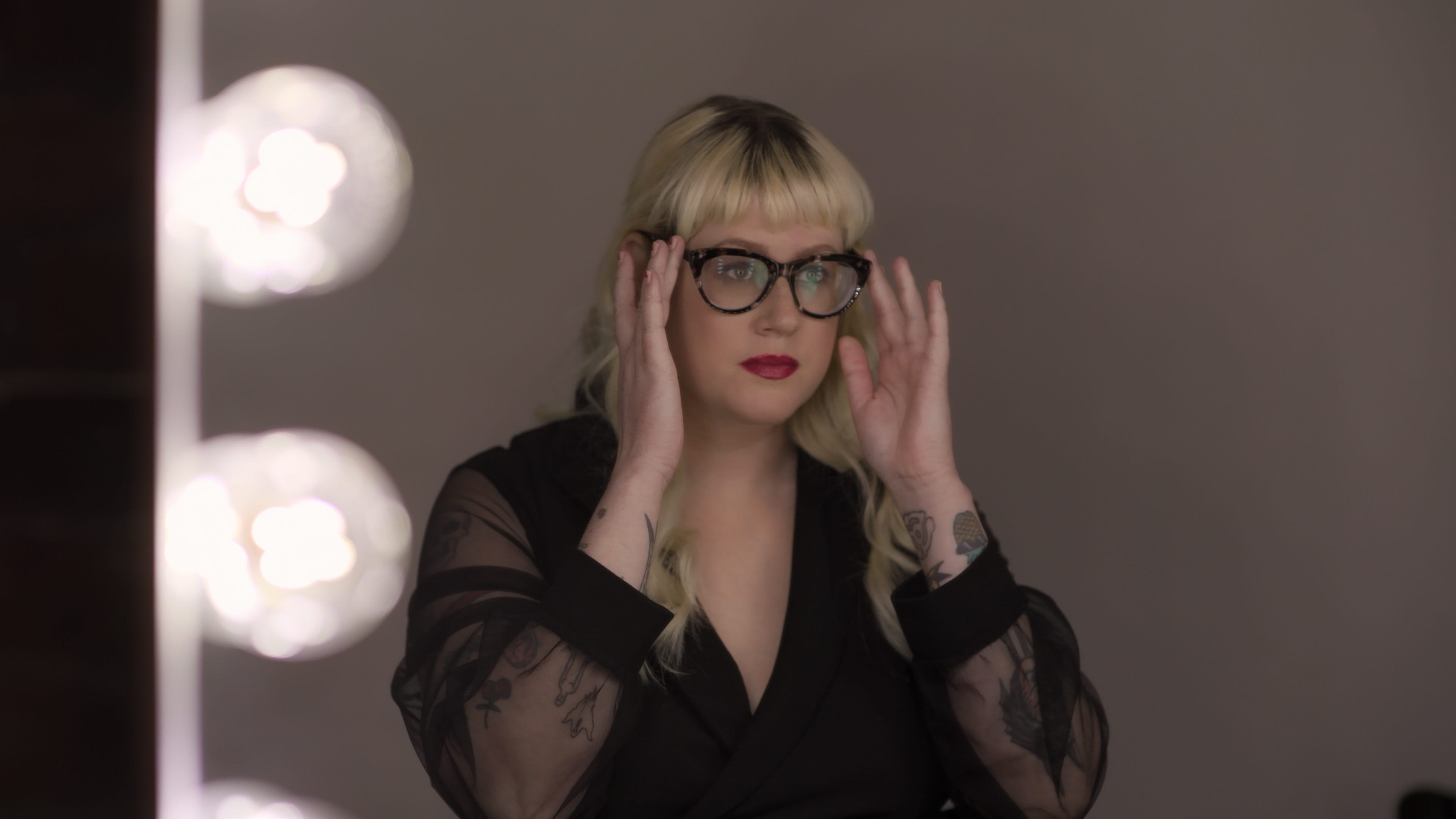
Going back to how much of this was in front of us all along. Watching Shandi’s story within context completely changes it. This was a lot worse than cheating on her boyfriend; she was blackout drunk, and the cameras recorded everything. You realize how badly she was let down by the adults in the room.
Stefanie Maridueña: Yeah, absolutely. It honestly was heartbreaking to go through her interview. And again, that’s why it was really important that we navigated her story with a lot of sensitivity and care. I hope that this show is an opportunity for her to get some closure.
Reality Check: Inside America’s Next Top Model is now streaming on Netflix—and I am here to discuss it with each and every one of you.
I love that Tyra had a huge part of every episode (so she said in ep1) but we get to Shandi and it's "I wasn't there. I didn't edit the show." Ken Mok, "she signed a release for 24/7 filming."
Learning what happened and that they refused to give her a telephone until she was trying to leave...them filming her conversation. Her assault became a catchphrase. I cannot imagine how painful that must be for her.
There was a great long-form Buzzfeed article with Tiffany many years ago: https://www.buzzfeed.com/michaelblackmon/we-were-rooting-for-you-we-were-all-rooting-for-you